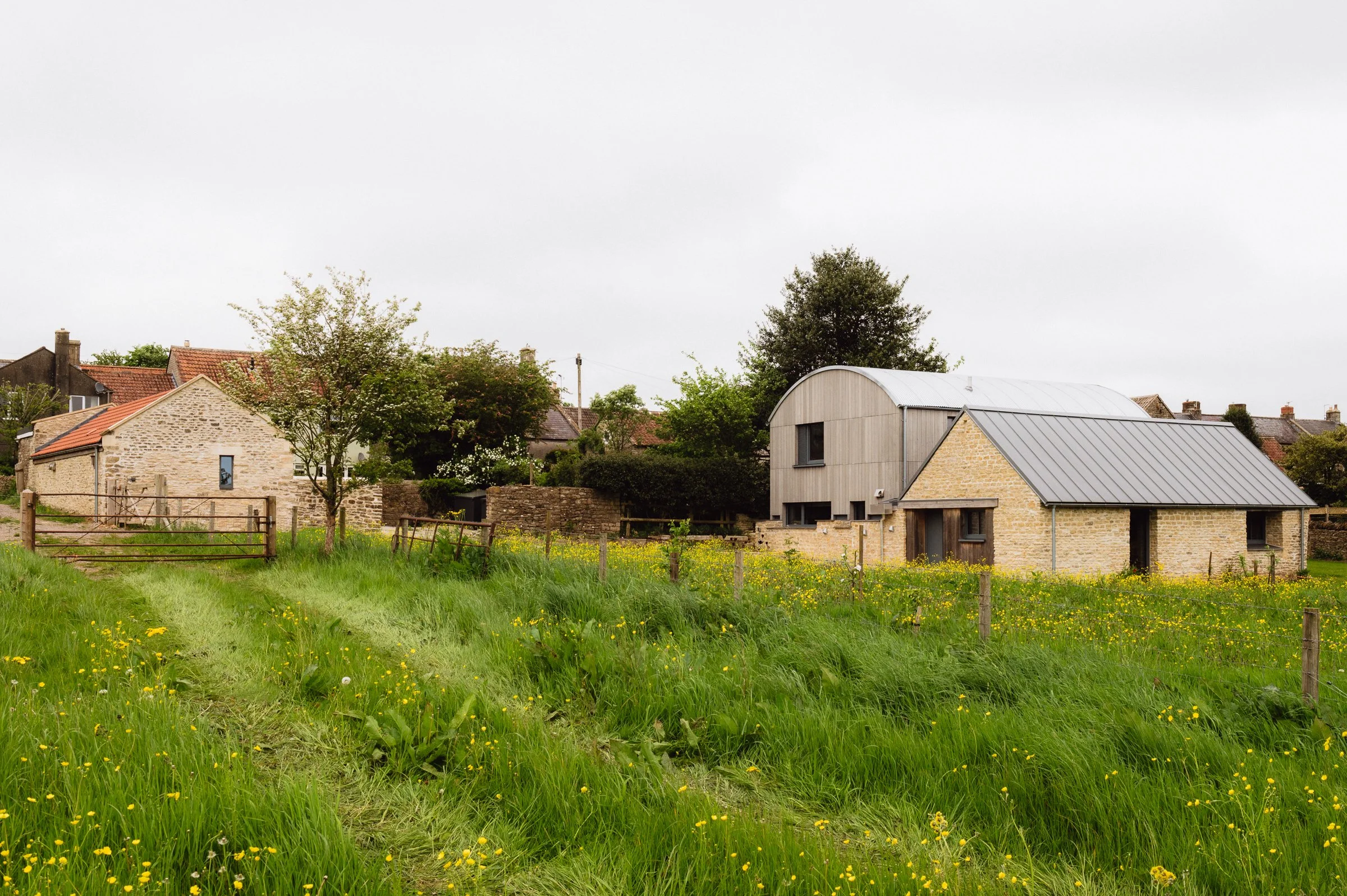
Architecture that connects to nature: The Essence of Biophilic Design at Folia
In a world increasingly dominated by buildings, we often find ourselves yearning for a deeper connection to the natural world. At Folia, we believe that architecture should do more than provide shelter; it should actively nurture the human spirit and celebrate our inherent biological connection to nature.
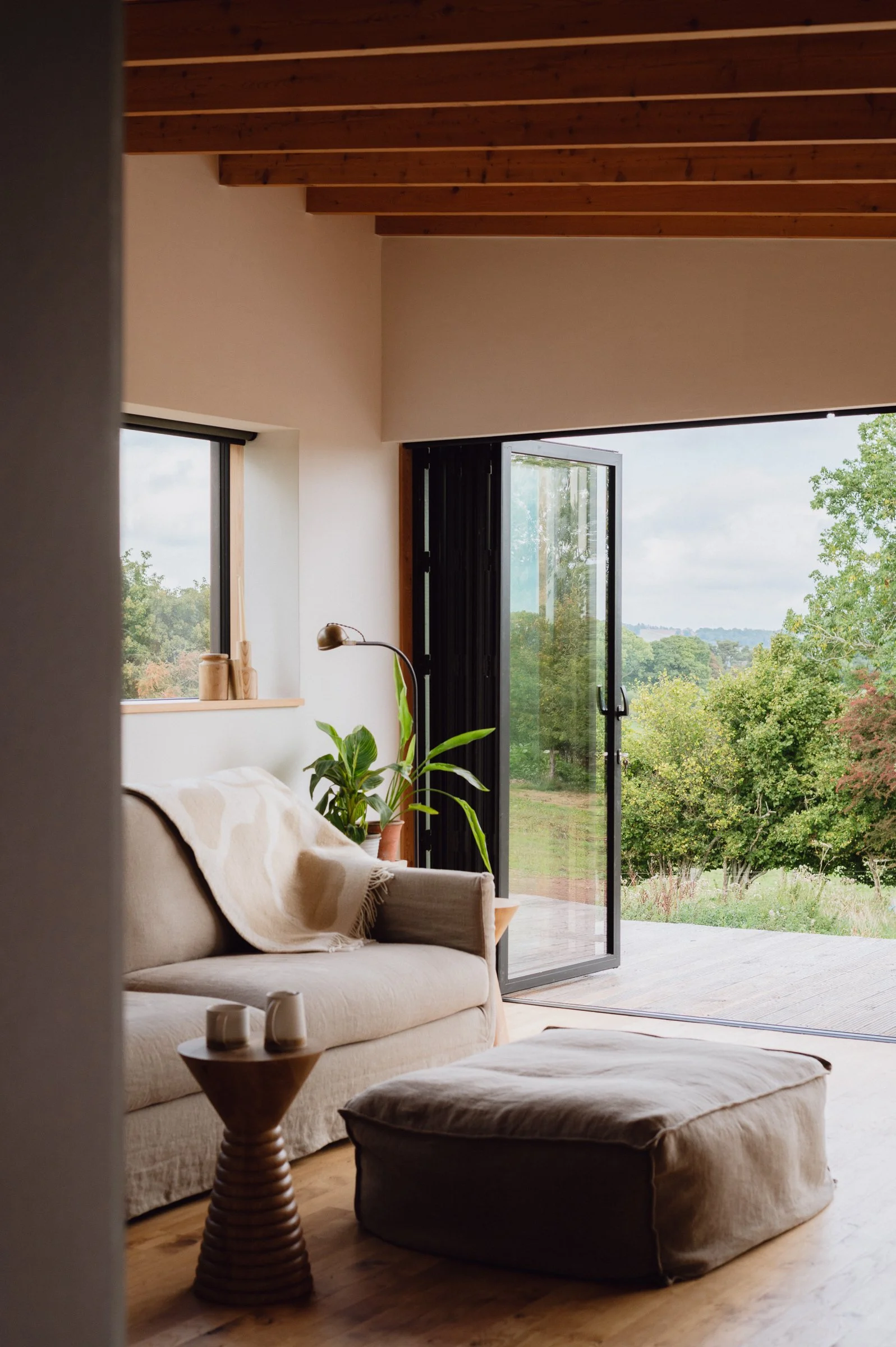
Biophilic design is not merely a trend or a collection of "green" features. It is a transformative paradigm shift that seeks to harmonise our living spaces with the rhythms and textures of the natural world. By prioritising the human experience, we create environments that promote physical health, mental clarity, and emotional resilience.
Beyond Mimicry: Understanding Biophilic Architecture
It is a common misconception that biophilic design simply means mimicking natural shapes (a practice known as biomorphism). While organic curves have their place, our approach at Folia goes deeper. We harness the underlying principles of nature to inform every design decision.
Rather than just replicating shapes, we extract the essence of natural processes. We consider how airflow dynamics, the shifting patterns of natural light, and the tactile quality of raw materials can be integrated into the very fabric of a building. This creates a symbiotic relationship between the occupants and their surroundings, evoking the spirit of nature through functional, evidence-based design.
The Core Elements of Our Approach
To guide our practice, we often reference Terrapin Bright Green’s 14 Patterns of Biophilic Design, which serves as an essential framework for creating restorative spaces.
Natural Light and Ventilation: We prioritise access to fresh air and daylight, which are proven to reduce energy consumption while supporting physiological health and mental well-being.
Bio-based Materials: We celebrate the use of wood, straw, and clay. These materials add a sense of authenticity and warmth to a home.
The Beauty of Patina: Unlike heavily processed synthetic materials, natural surfaces develop a patina over time. This introduces a sense of time and growth into our interiors.
Greenery and Water: Integrating vegetation and water features creates focal points for contemplation, reduces stress levels, and improves indoor air quality.
Biomorphic Patterns: Incorporating subtle organic patterns into architectural details can evoke deep-seated feelings of comfort and security.
Architecture that Breathes: Health and Sustainability
For Folia, biophilic design is inextricably linked to our commitment to sustainability and "vapour-open" construction. We select materials that have not been heavily processed, avoiding products containing plastics, formaldehydes, or volatile organic compounds (VOCs).
By using bio-based materials, we allow the building to "breathe" and naturally regulate moisture. This approach reduces the environmental footprint of our projects and fosters a healthier indoor environment. Studies consistently show that exposure to these natural elements enhances cognitive function, creativity, and productivity. Whether it is a place for work, learning, or rest, biophilic principles lead to improved emotional well-being and overall satisfaction.
A Holistic Perspective
Every project we undertake is an opportunity to elevate the human experience. By harmonising with nature rather than imposing upon it, we create spaces that serve practical needs whilst nourishing the soul. We strive to create architecture that is not just sustainable for the planet, but restorative for the people who call it home.
Would you like to explore how we can integrate biophilic principles into your specific site or renovation project to enhance your well-being?