
The True Cost of Comfort: Is Passivhaus Worth the Investment Right Now?
Is Passivhaus Worth It? (Especially Right Now)
We get it. Between the rising cost of materials and the general cost-of-living squeeze, the word “premium” can feel a little daunting. When you’re planning a build, every penny counts. So, when we at Folia Architects talk about Passivhaus - the gold standard of energy efficiency - the first question is usually: “Is it really worth the extra investment?”
The short answer? Yes. But not just because it’s "green." It’s because it’s a financial and personal insurance policy for your future.
What actually is Passivhaus?
Think of Passivhaus as the ultimate "fabric-first" approach. Instead of bolting expensive gadgets onto a leaky building, we design the building itself to do the heavy lifting.
In a standard home, there is often a "performance gap" - a polite way of saying the house uses way more energy than the brochures promised. Passivhaus closes that gap. It is a rigorous, quality-assured standard that guarantees your home will perform exactly as designed.
It’s like the difference between a cheap winter coat that lets the wind through and a high-tech thermal jacket that keeps you toastie even in a gale.
The Five Pillars: How it Works
We achieve this through five simple (but meticulously executed) principles of building physics. These aren't fancy add-ons; they are the DNA of the house:
Super-Insulation: We wrap the house in a continuous "tea cozy" of insulation. This keeps heat in during the winter and keeps the house cool during those increasingly hot summers.
Airtightness: We eliminate those pesky draughts. By sealing the "envelope" of the house, we stop warm air from escaping through cracks you didn't even know were there.
Triple-Glazed Windows: Not all windows are created equal. These keep internal surfaces warm, meaning you can sit right next to a window in mid-January without feeling a chill.
Thermal Bridge-Free Design: We look at every single junction, where walls meet floors or roofs, to ensure there are no "highways" for heat to leak out.
Fresh Air (MVHR): This is the magic part. A Mechanical Ventilation with Heat Recovery system acts as the "lungs" of the home. It pulls in fresh, filtered air while recycling up to 95% of the heat from the air it’s pushing out.
Why pay "extra" during a cost-of-living crisis?
It’s a fair question. Why spend more upfront when budgets are tight?
1. Energy Independence Energy prices are volatile. A Passivhaus home requires about 90% less heating energy than a typical older building. When you barely need to turn the heating on, you stop worrying about the next price cap announcement. You aren't just building a house; you’re future-proofing your bank account.
2. Health is Wealth Because the air is constantly filtered, dust, pollen, and pollutants are stripped away before they enter your living room. No more mould, no more damp, and significantly fewer hay fever symptoms. It’s a literal breath of fresh air.
3. Total Comfort We’ve all lived in that house with "the cold room" or the "draughty hallway." In a Passivhaus, the temperature is consistent everywhere. It’s a level of comfort that’s hard to describe until you’ve stood in it.
Finding the Right Path for You
Passivhaus isn't all-or-nothing. There are different levels depending on your goals and your budget:
Passivhaus Classic: The benchmark for incredible efficiency and comfort.
Passivhaus Plus & Premium: For those who want to go further by adding solar panels or other renewables to actually generate more energy than they use.
PHI Low Energy Building: A slightly more flexible route. It offers massive energy savings if the full Passivhaus standard isn't quite achievable for your specific site or budget.
EnerPHit: This is for the renovators. If you’re updating an old draughty home, this is the gold standard for retrofitting.
Build it Right, Build it Once
At Folia Architects, we believe a home should be a sanctuary, not a source of stress. Choosing Passivhaus means choosing quality, longevity, and peace of mind. It’s about doing it right the first time so you don't have to pay for it later.
Interested to see how a Passivhaus could work for your project?
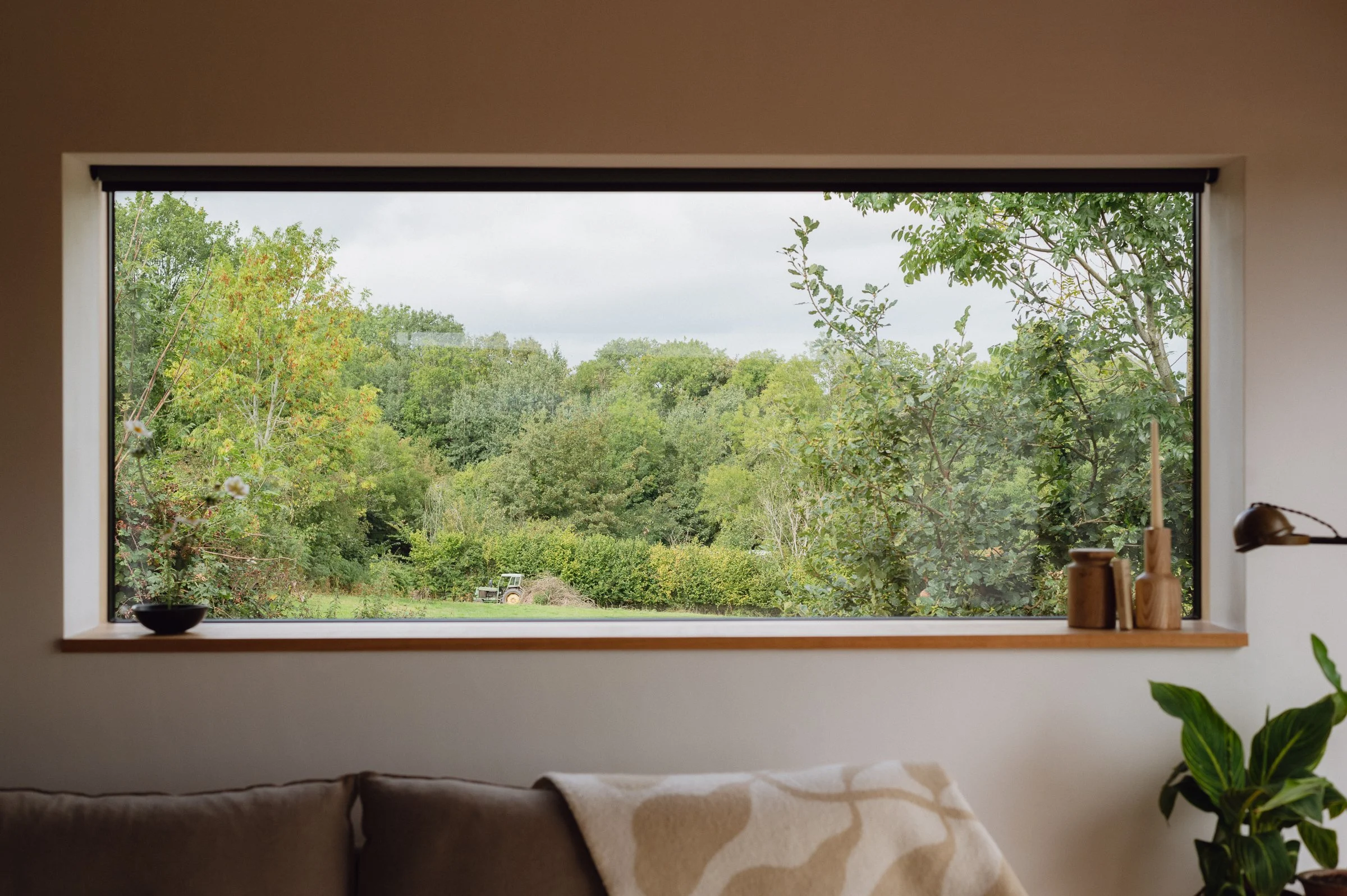

The Tin Barn EnerPHit
Our clients wanted to turn a derelict set of barns into an exemplary Passivhaus home. On a rural plot on the outskirts of Bath, they wanted a home that would be more manageable in scale and more cost-effective to run, allowing them to live more sustainably.
Find out more on Renovating you home to Enerphit Standards here