Long Barn: A Study in Rural Resilience
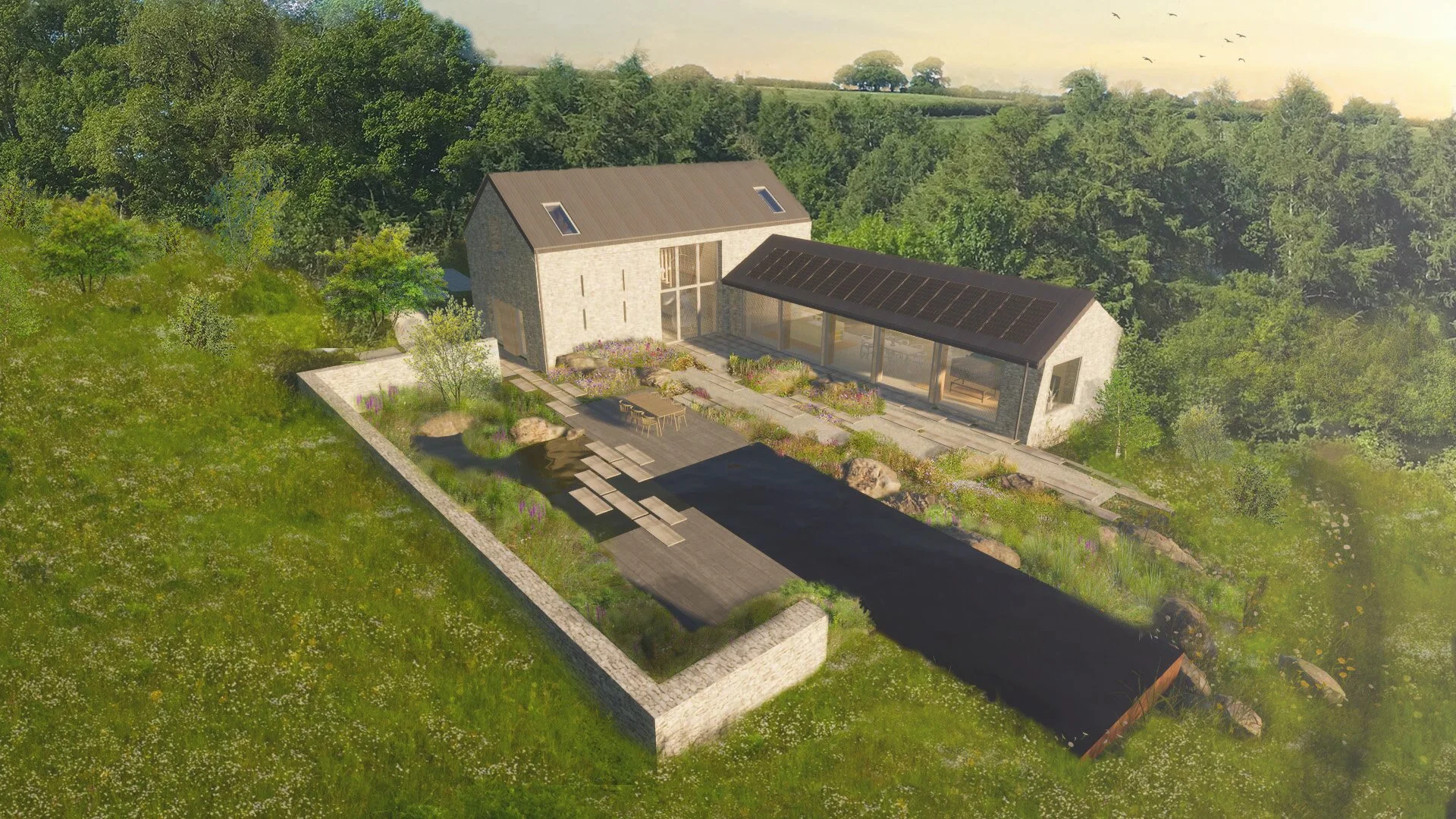
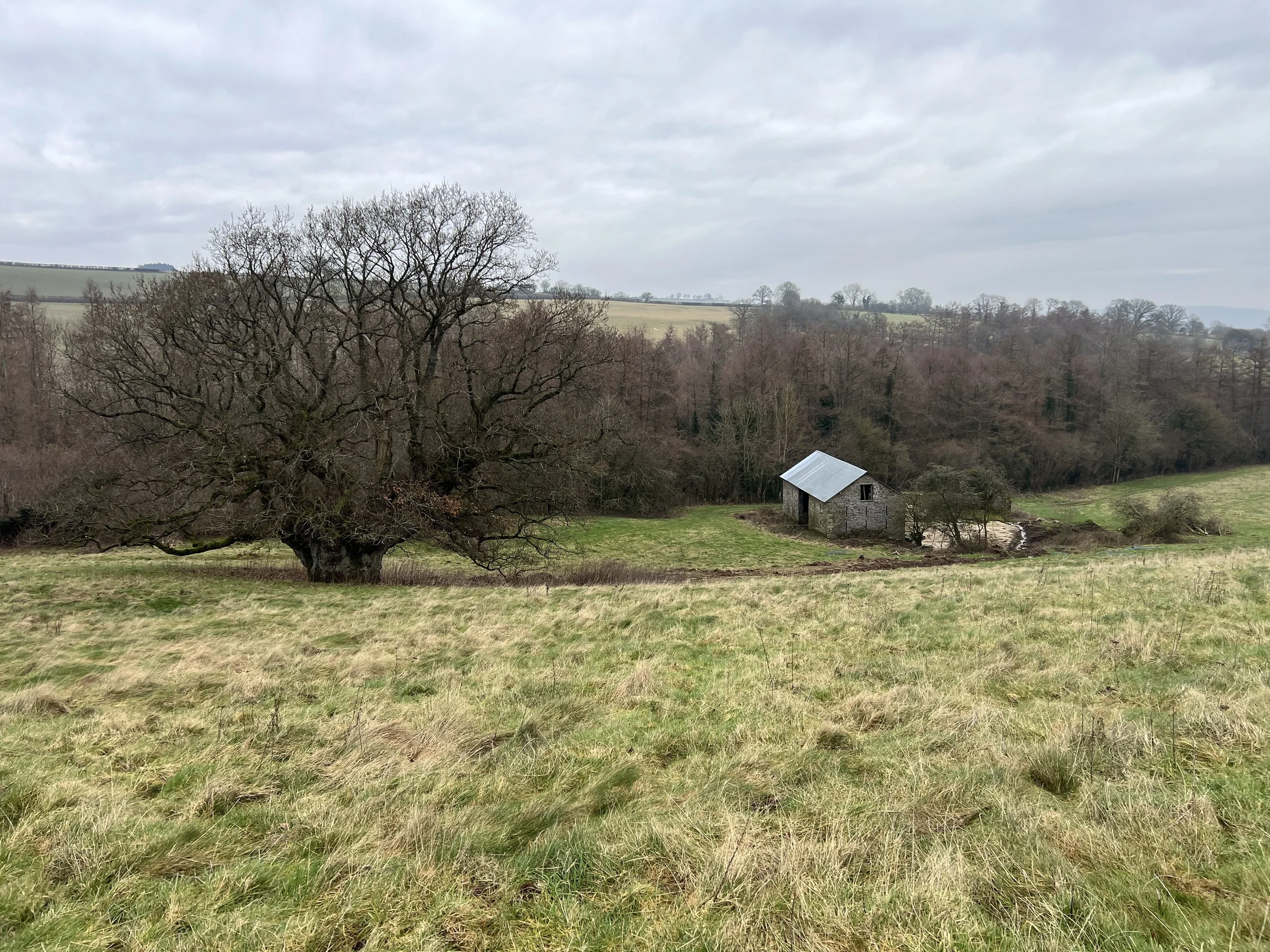
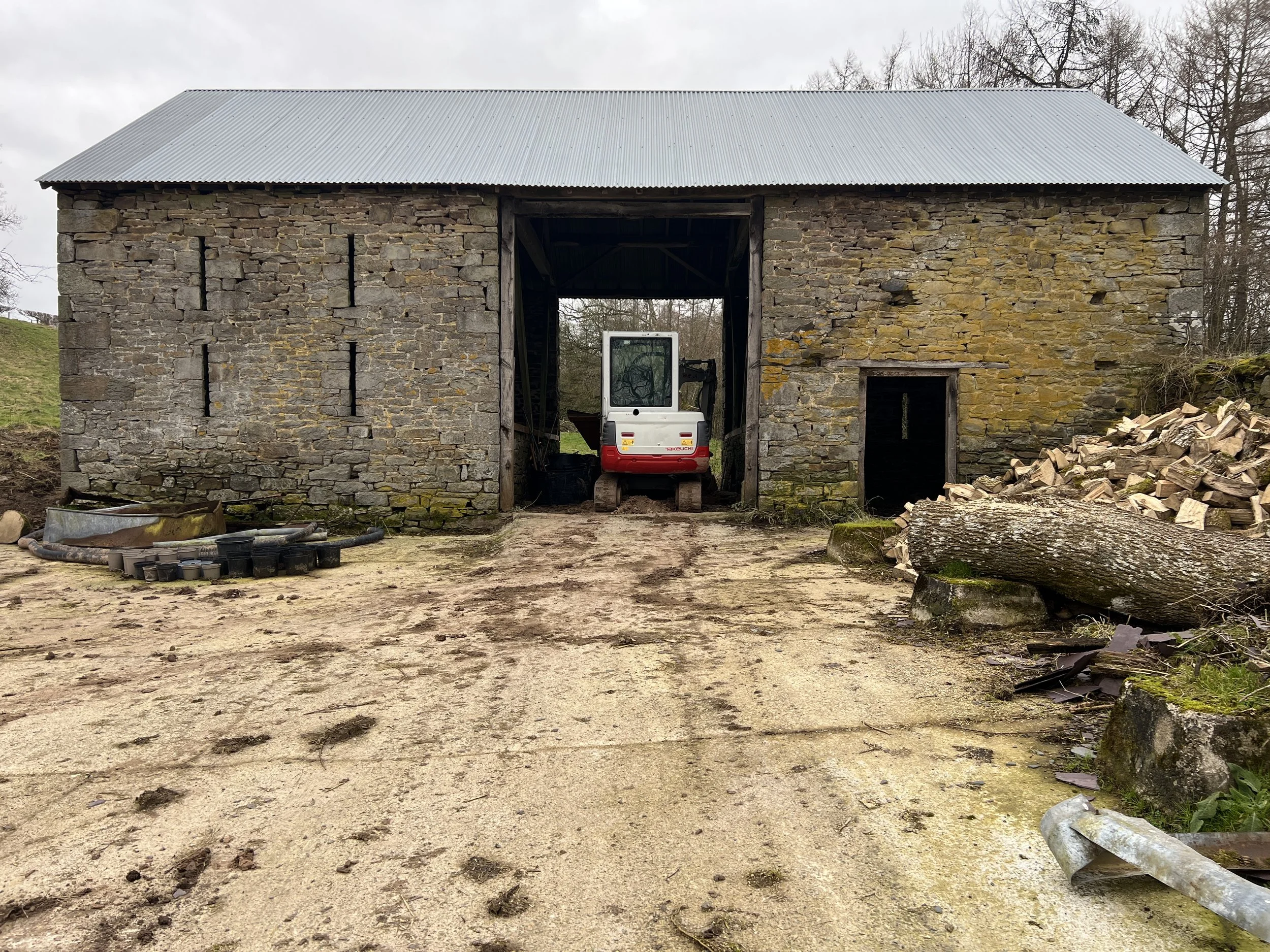
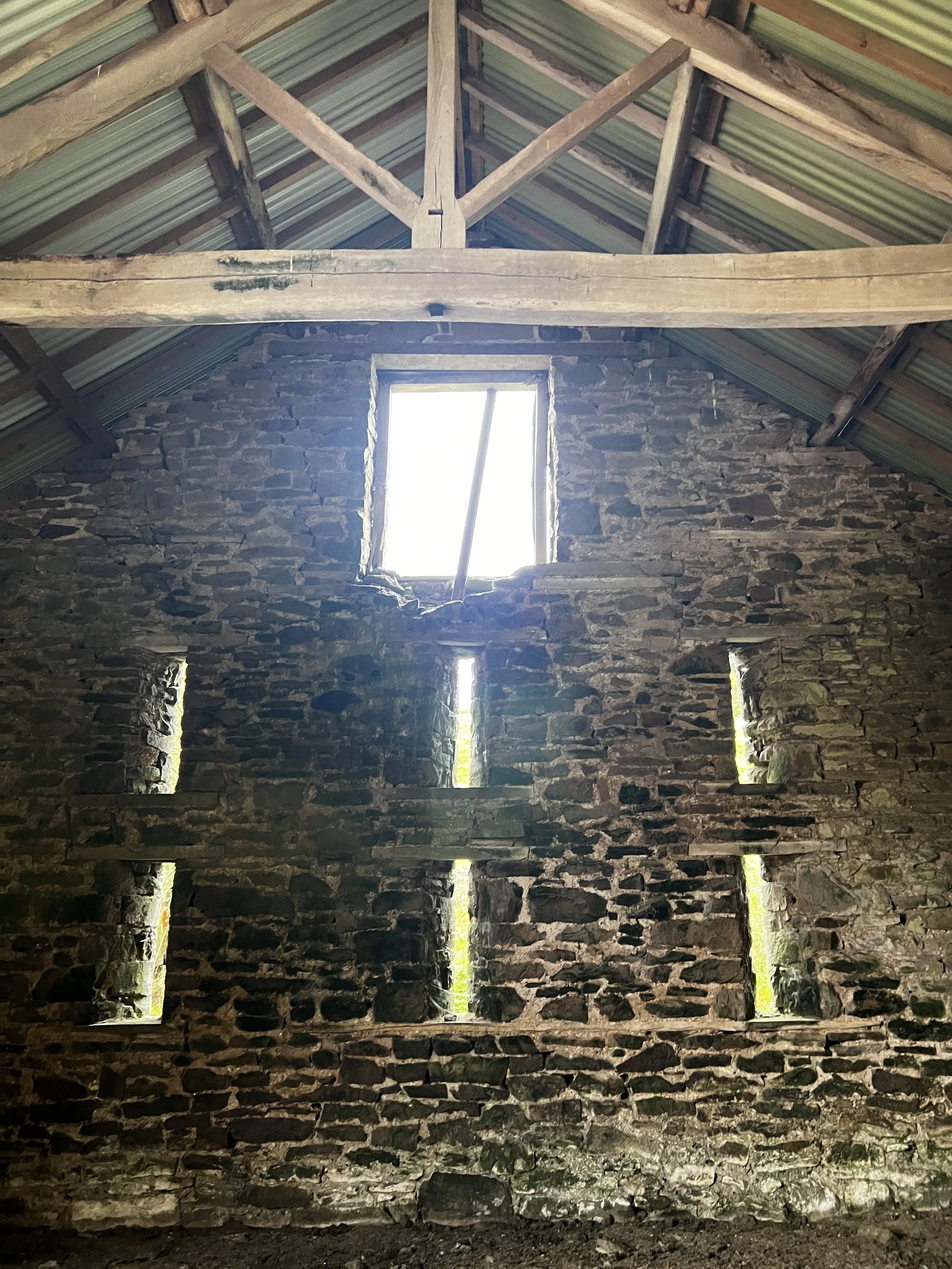
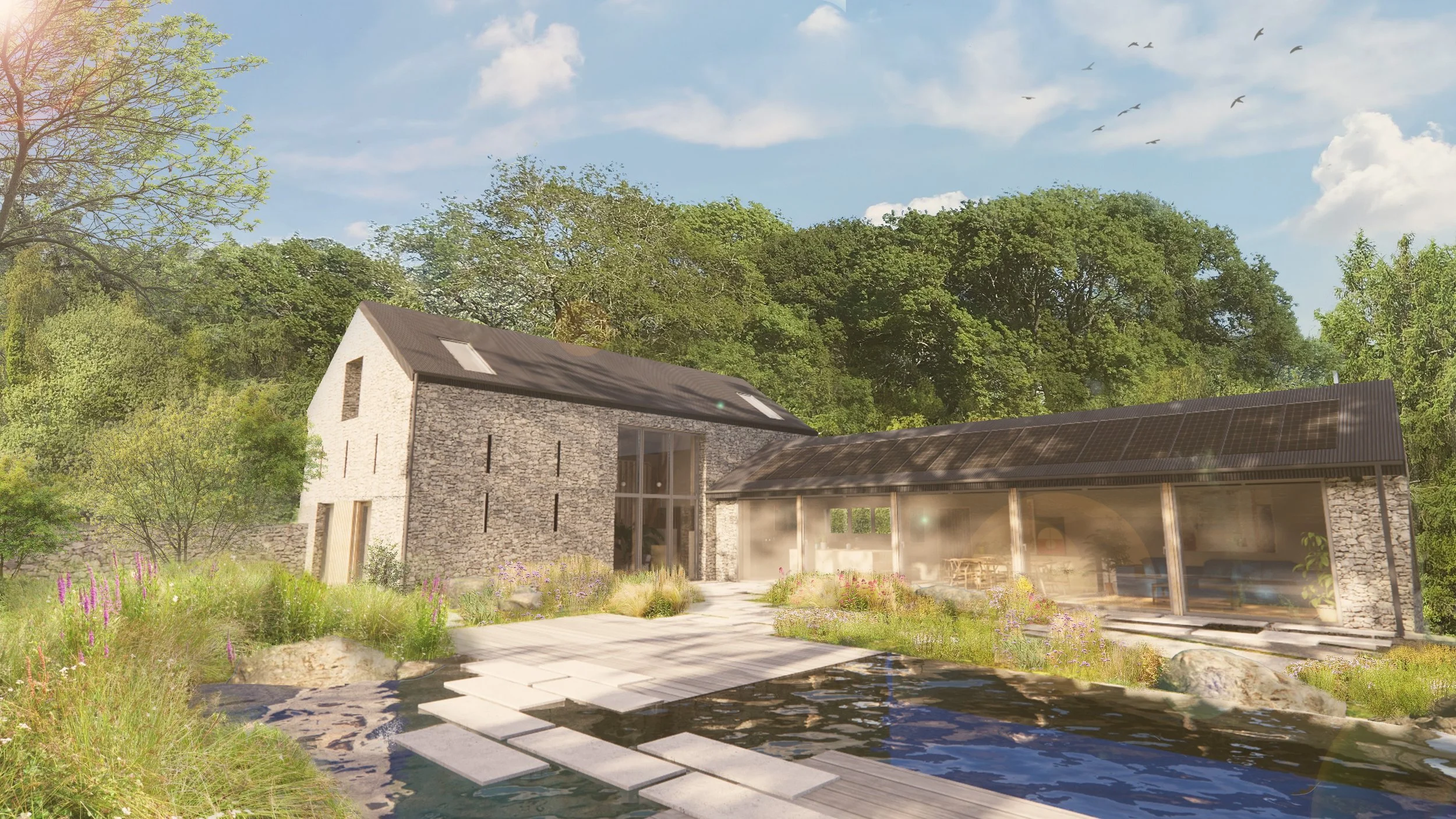
Located in a landscape defined by extreme weather and a rich agricultural heritage, Long Barn is a sensitive transformation of a traditional threshing barn into a high-performance, low-energy dwelling. Our design philosophy for this eco barn conversion was rooted in legibility - retaining the historic character and vast, open volumes of the original structure while integrating 21st-century thermal performance and bright beautiful spaces.
A Fabric First Philosophy
Rather than relying solely on complex technology, we prioritised a "fabric first" approach to ensure the building’s longevity and efficiency. Working in collaboration with Back to Earth, we utilised advanced thermal modelling to simulate heat and moisture movement through the structure. This data-driven process allowed us to optimise occupant comfort and eliminate the long-term risks of interstitial condensation or rot.
The material palette is intentionally sustainable and breathable:
Internal Insulation: A specialist "Back to Earth" mineral insulation system allows the historic masonry walls to breathe and regulate moisture fluctuations.
Eco-Flooring: An innovative, carbon-sequestering Earthen Floor provides natural thermal mass.
Roofing: A new roof, filled with high-density Warmcel (recycled cellulose), is finished in crisp corrugated steel—a nod to the site’s agricultural past.
Renewables: Energy demands are met via an Air Source Heat Pump (ASHP), integrated Photovoltaics (PV), and a small scale hydro-power generation.
Ecological Integration
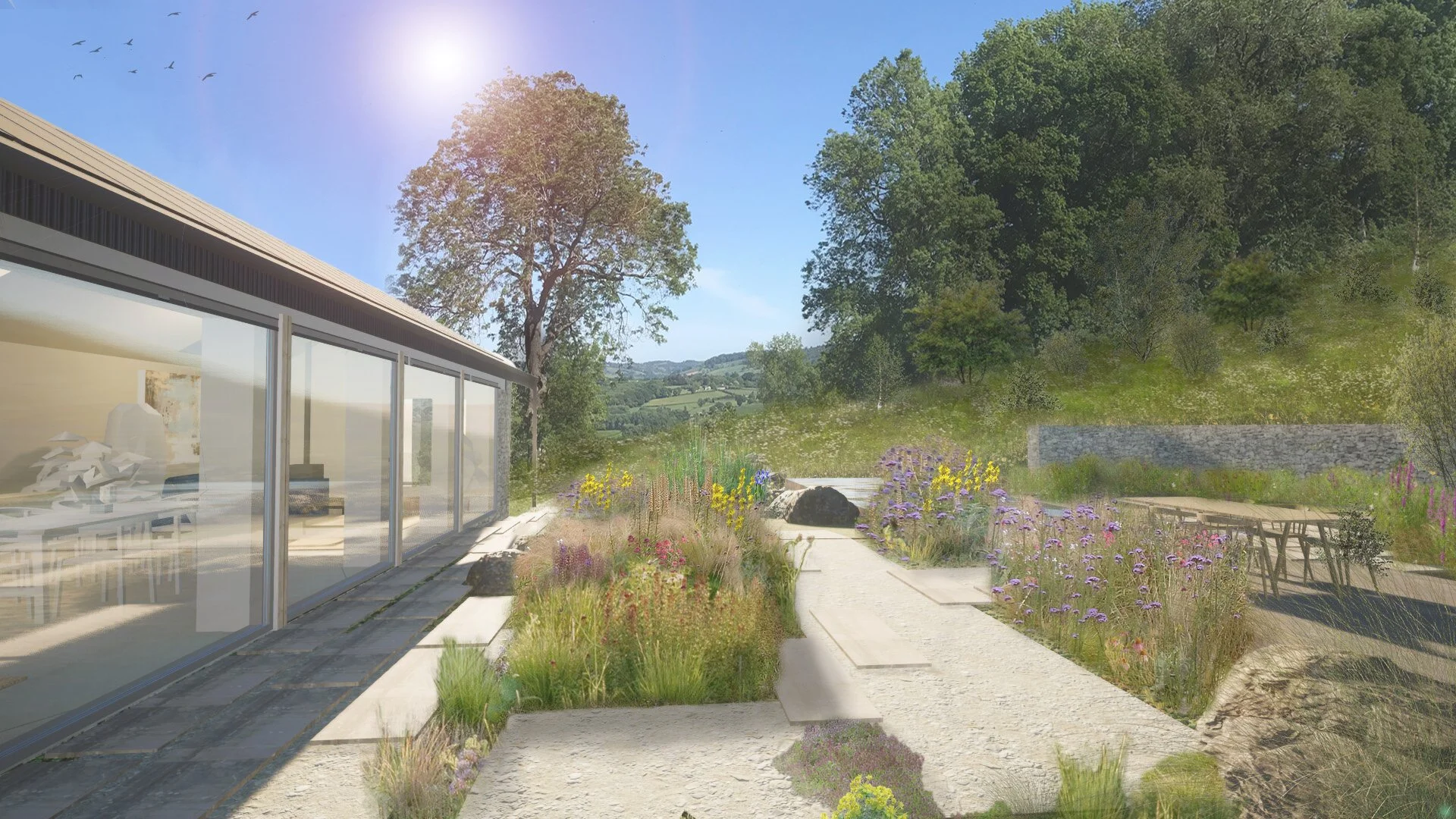
At Folia, we believe architecture does not end at the threshold where building meets landscape. We worked closely with the client, an ecologically minded award winning Landscape Architect. The landscape design for Long Barn is both immersive and restorative. By "listening to the land," we identified key micro-climates and view corridors to ensure the home feels deeply connected to its surroundings.
The design commits to significant biodiversity enhancements, including:
New Woodland: The planting of 3 acres of native broadleaf woodland to soften the site’s boundaries and create a vital ecological link between existing broadleaf woodlands.
Habitat Creation: Dedicated provision for bats, barn owls, hedgehogs, and invertebrates, ensuring the site remains a thriving corridor for local wildlife.
The result is a home that does more than just sit in the landscape; it contributes to it. Long Barn stands as a testament to how historic rural structures can be reimagined as beacons of sustainability and modern design.